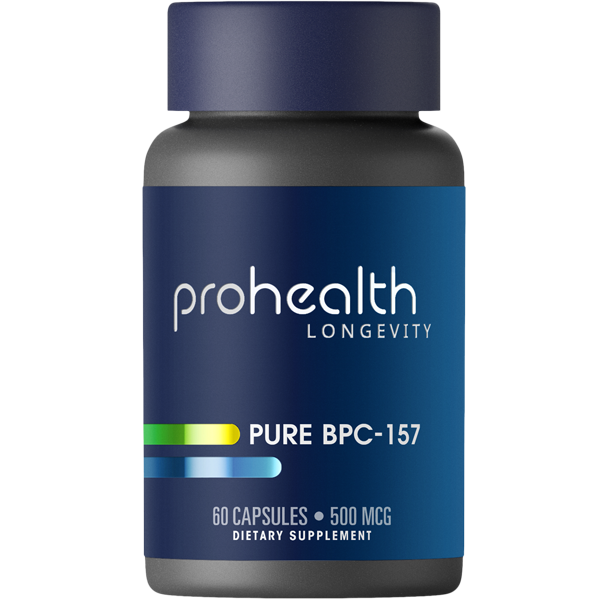
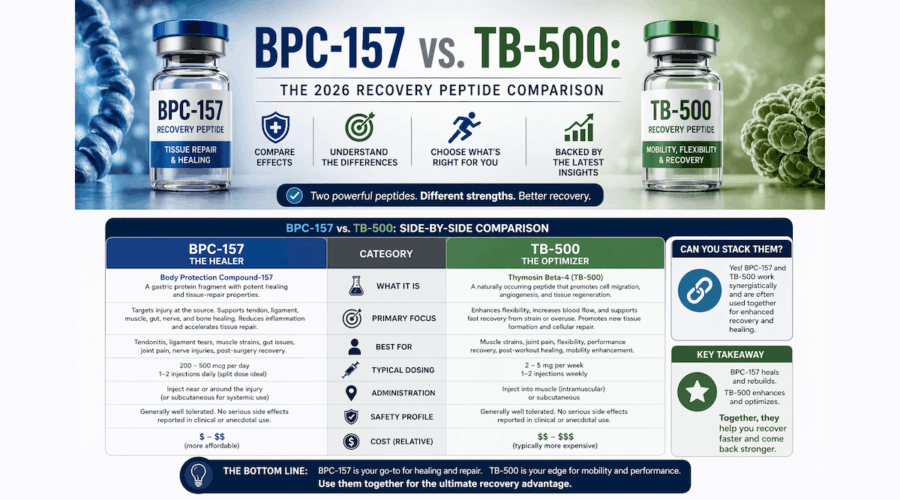
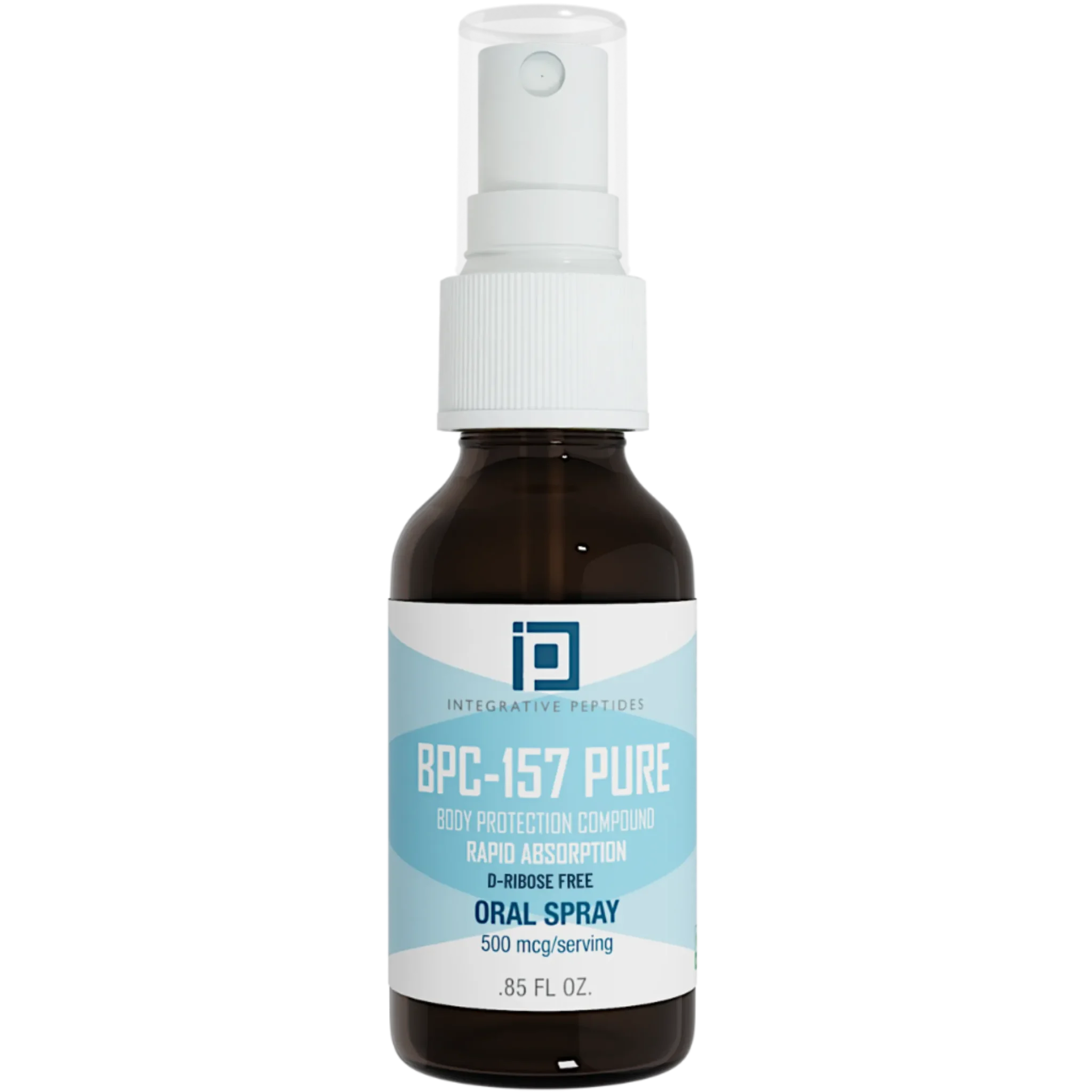
bpc 157 derived from gastric juice protein Pure BPC-157 BPC-157 vs TB-500: Complete Comparison
Description
It occurs in approximately 30 percent of patients older than 80 years and in approximately 20 percent of patients 60 to 65 years
Some plans might cover NAD therapy partially if deemed as a medical necessity or for addiction recovery

Each individual component has been studied in preclinical models: BPC-157 (molecular weight: 1419.556 g/mol) is a synthetic fragment derived from a gastric protein, frequently examined in rodent studies on gastrointestinal integrity, vascular changes, and soft-tissue injury
Its essential to how your body functions


