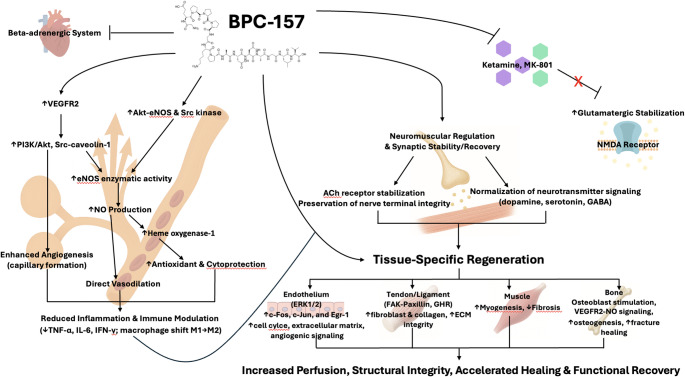
bpc 157 safety adverse events human Regeneration or Risk? A Narrative Review of BPC-157 for Musculoskeletal Healing BPC-157: A Prohibited Peptide and
Description
Considering that most current pharmacological treatments of obesity are linked to major side effects, the preclinical research into 5-amino-1MQ looks promising

Of the total adverse events reported, 37% were gastrointestinal in nature [207 events in 73 (77%) of 95 participants], most frequently nausea [67 events in 53 (56%) participants], vomiting [43 events in 23 (24%) participants], and dyspepsia [32 events in 27 (28%) participants]
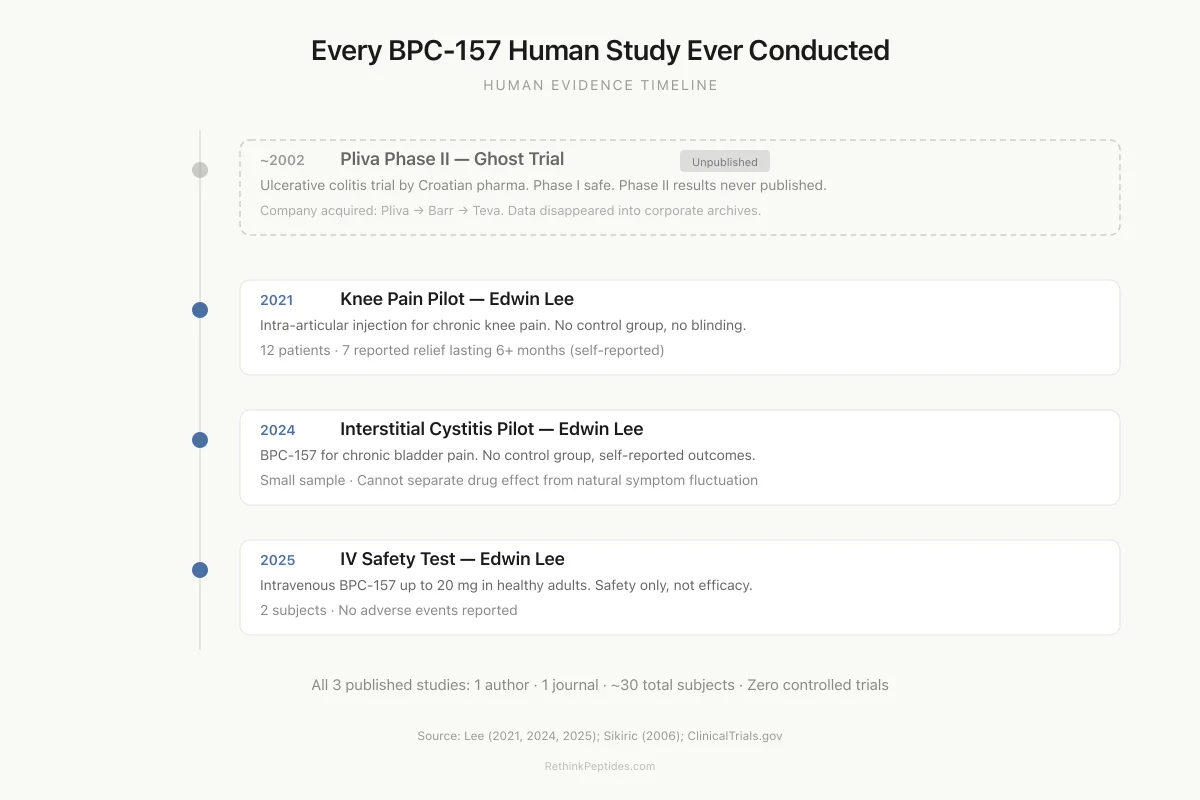
All buyers are responsible for ensuring their use complies with applicable UK legislation and any relevant institutional requirements
Sensory Symptoms Numbness, tingling, or pins and needles (paresthesia) typically distal/stocking-glove in polyneuropathy Burning pain, allodynia, hyperalgesia common in small-fiber predominant neuropathy and CIDP Loss of proprioception and vibration sense sensory ataxia, positive Romberg sign Loss of pain/temperature sensation (small fiber) risk of unnoticed wounds Motor Symptoms Distal muscle weakness (foot drop in peroneal neuropathy, wrist drop in radial neuropathy) Atrophy of intrinsic hand muscles (ulnar/median neuropathy) Hyporeflexia or areflexia (ankle jerks lost early in length-dependent polyneuropathy) Fasciculations in severe axonal loss Autonomic Symptoms Orthostatic hypotension, dizziness on standing Gastroparesis, constipation or diarrhea, nausea Neurogenic bladder (hesitancy, retention, incontinence) Anhidrosis or gustatory sweating Sexual dysfunction


