
aip glutathione autoimmune Hypothesis for the pathogenesis of pancreatitis (AIP) and Glutathione prevents high glucose-induced pancreatic
Description
In Long COVID, oxidative stress may be driven by: persistent immune activation mitochondrial dysfunction mast cell activation (MCAS) chronic inflammation autonomic nervous system dysregulation psychological stress (PTSD, illness trauma) Even everyday factors can worsen the burden: travel overexertion poor sleep emotional stress Supporting the Body Against Oxidative Stress While research is ongoing, strategies that may help reduce oxidative stress include: Foundational Support Anti-inflammatory nutrition Adequate hydration Sleep optimization Stress reduction Nervous System Regulation Breathwork Pacing strategies Reducing overstimulation Nutritional & Clinical Considerations Antioxidant support (as clinically appropriate) Mitochondrial support Addressing histamine and MCAS if present Always consult with a qualified provider before starting new treatments or supplements

State variation State law varies and moves fast

Nobody wants to commit to a treatment without
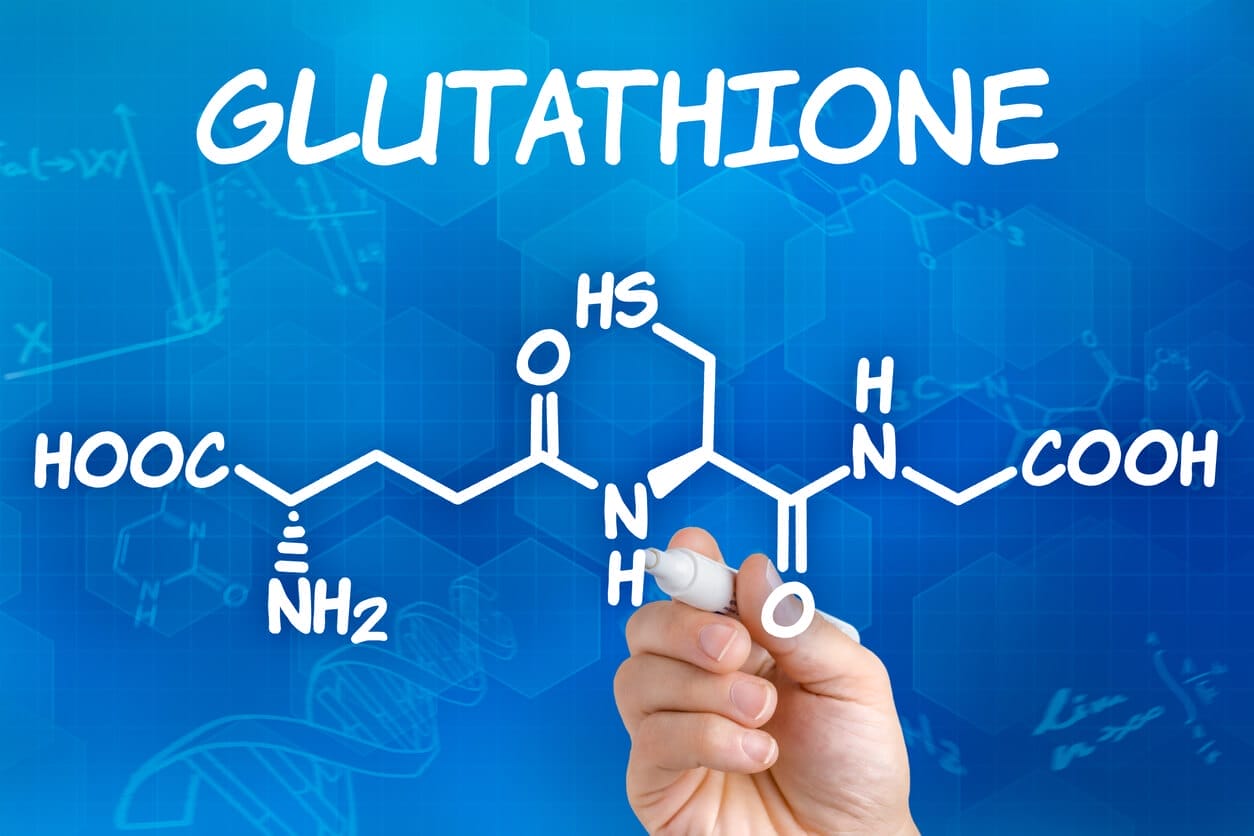
J Clin Endocrinol Metab 76 : 309317 Kim KR et al


