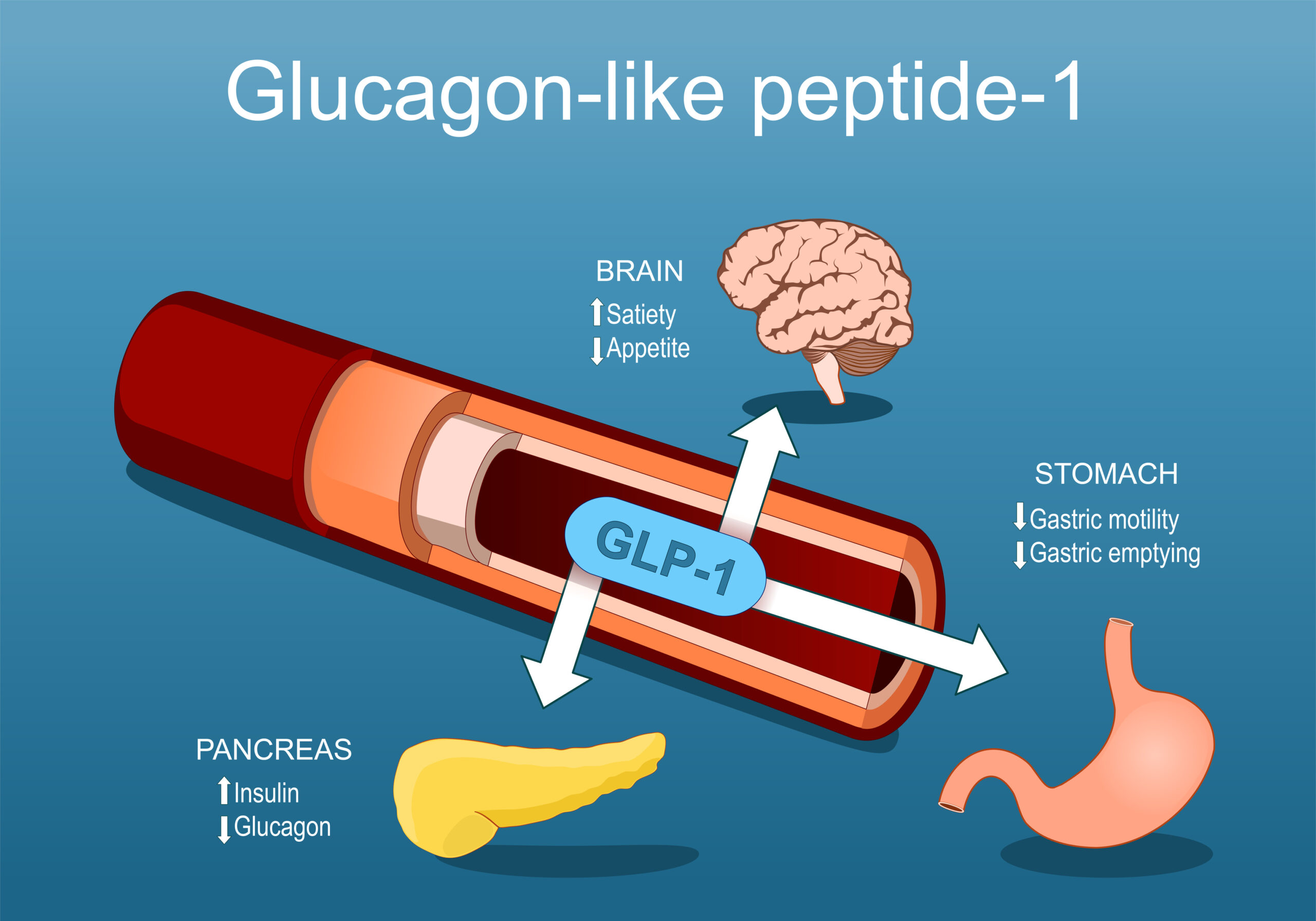
does glp 1 cause cancer Semaglutide: What we know about safety and risk GLP-1 receptor agonists | How
Description
This variability likely reflects differences in study populations, such as the presence or absence of T2DM, degree of obesity, sex distribution, and comorbid conditions, as well as differences in intervention characteristics, including the type, dose, and duration of GLP-1 RA therapy
Chia YC, Ching SM, Ooi PB, Beh HC, Chew MT, Chung FFL, et al

Reactome pathway analysis: a high-performance in-memory approach
Many of the cardiovascular and metabolic trials informing the discussion were not designed to evaluate ophthalmic outcomes. The authors called for prospective ophthalmology-specific studies incorporating imaging biomarkers, visual outcomes and disease-specific monitoring, noting that parsing the protective benefits or adverse effects of this rapidly growing medication class will be essential to refining disease management and improve patient outcomes. As GLP-1 therapies become increasingly common among patients with diabetes, obesity and vascular comorbiditiesprecisely the populations populating ophthalmic clinicsthe field may not have the luxury of waiting for cleaner data