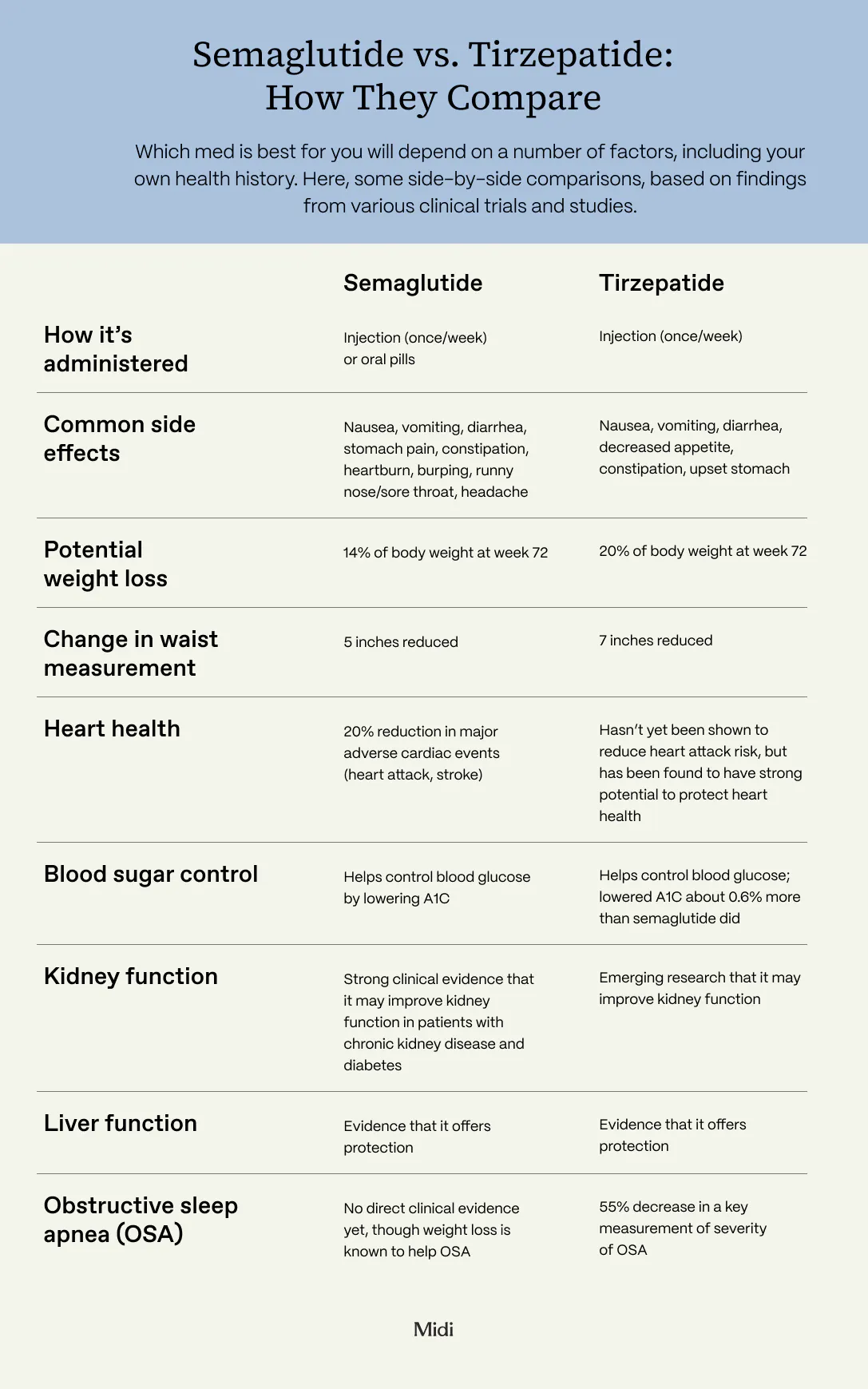
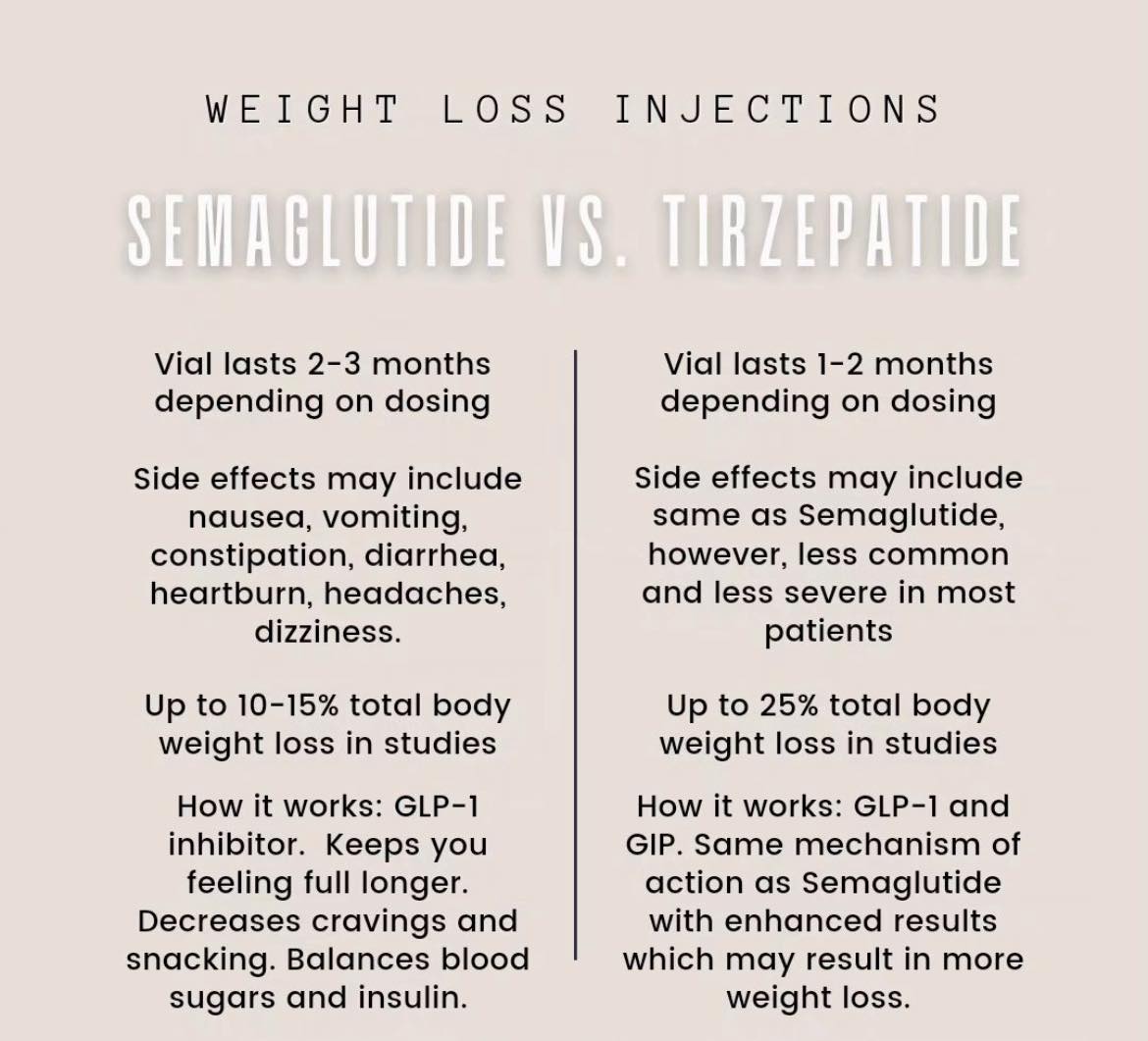
semaglutide vs tirzepatide differences mechanism difference Know the Between Semaglutide & Tirzepatide-mvanhaasteren.nl Tirzepatide vs. Semaglutide: What's the
Description
Free printable GLP-1 diet plan PDF with high-protein small meals, tiny-appetite swaps, and a grocery list

Here are the basic facts
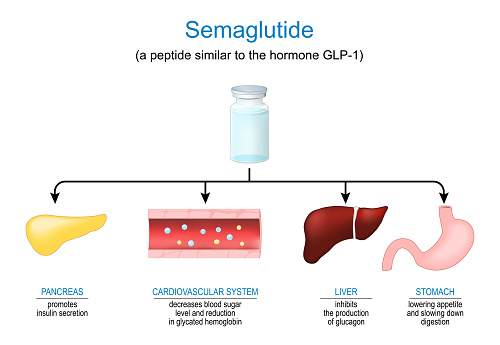
Semaglutide is a GLP-1 analogue with 94% sequence homology to human GLP-1. Semaglutide acts as a GLP-1 receptor agonist that selectively binds to and activates the GLP-1 receptor, the target for native GLP-1. GLP-1 is a physiological hormone that has multiple actions on glucose, mediated by the GLP-1 receptors. The principal mechanism of protraction resulting in the long half-life of semaglutide is albumin binding, which results in decreased renal clearance and protection from metabolic degradation. Furthermore, semaglutide is stabilized against degradation by the DPP-4 enzyme. Semaglutide reduces blood glucose through a mechanism where it stimulates insulin secretion and lowers glucagon secretion, both in a glucose-dependent manner. Thus, when blood glucose is high, insulin secretion is stimulated and glucagon secretion is inhibited. The mechanism of blood glucose lowering also involves a minor delay in gastric emptying in the early postprandial phase
The findings further strengthen the competitive positioning of next-generation semaglutide dosing strategies as obesity treatment continues to evolve toward deeper efficacy, improved durability, and more personalised response-based care


