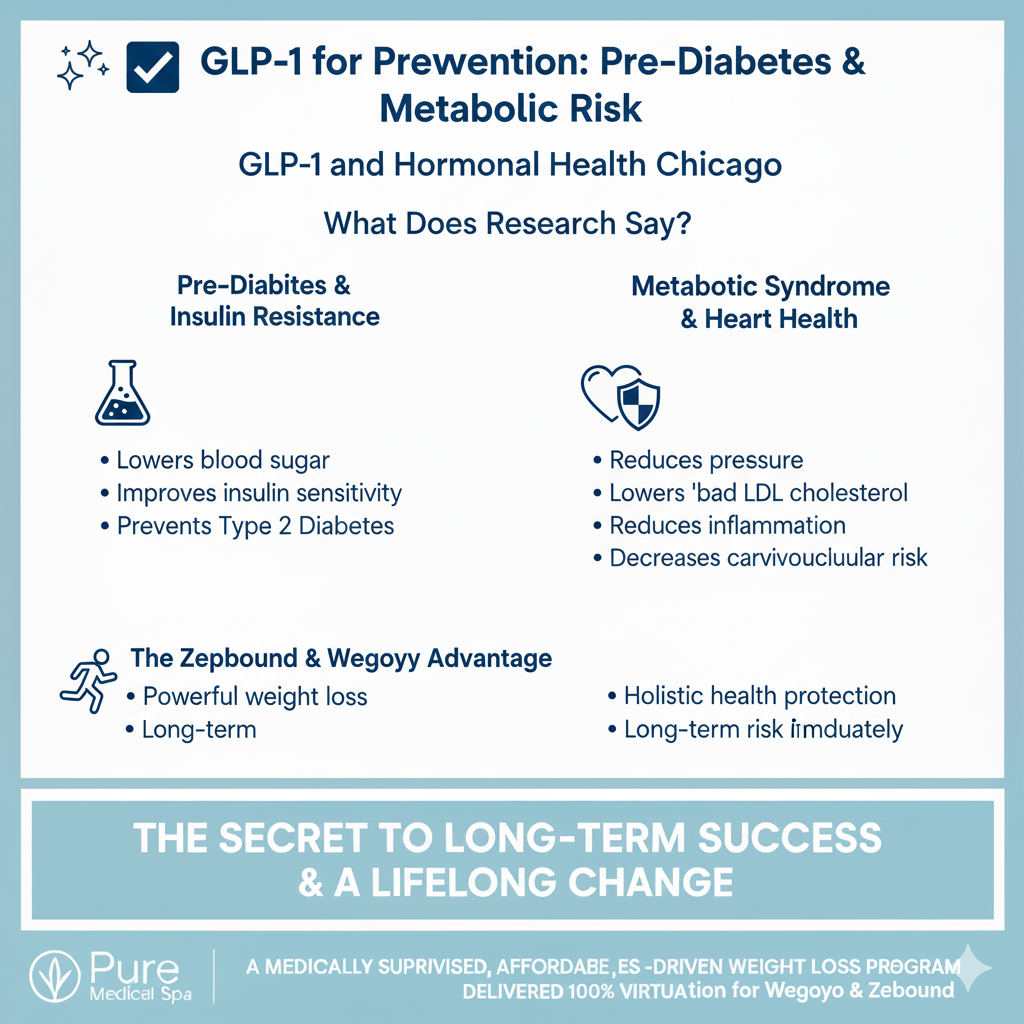
glp 1 agonist for prediabetes GLP-1 Prevention: Using Drugs Like Zepbound for Pre-Diabetes or Metabolic Risk -What Does Research Say? GLP-1 Drug Savings: A Complete
Description
doi: 10.1038/npp.2015.47, 61 HealthU
GLP-1 is a target for treatment of diabetes because of the primary peripheral functions of inducing insulin secretion from pancreatic cells, gut emptying and inhibiting glucagon secretion which results in lower blood glucose levels ( GLP-1 can also be produced by neurons in central nervous system (CNS) ( Pathogenesis of AD Amyloid plaque Amyloid beta (A) is a peptide with a molecular weight of 4 KDa and a length of 40-42 amino acids ( 2+ channels and AMPA (-amino-3-hydroxy-5-methyl-4-isoxazolepropionic acid) receptors, to which the neurotransmitter glutamate binds, so A is the most neurotoxic form ( Neurofibrillary tangles Tau is a microtubule-associated protein and mainly found in the axonal compartment ( Synaptic dysfunction and neurotransmitter imbalance It has been well established that cholinergic transmission is essential for memory, learning, attention, and other higher brain functions, so cholinergic deficits play a key role in the neuropathology of AD ( Neuroinflammation Neuroinflammation, microglia activation in response to amyloid deposition, plays a central role in the pathogenesis of AD ( Insulin resistance For the past few years, AD has also been considered as type 3 diabetes because of insulin resistance (IR) and dysregulation of insulin signaling in the brain ( is mainly transported across the BBB

Improved postprandial glucose metabolism in type 2 diabetes by the dual glucagon-like peptide-1/glucagon receptor agonist SAR425899 in comparison with liraglutide

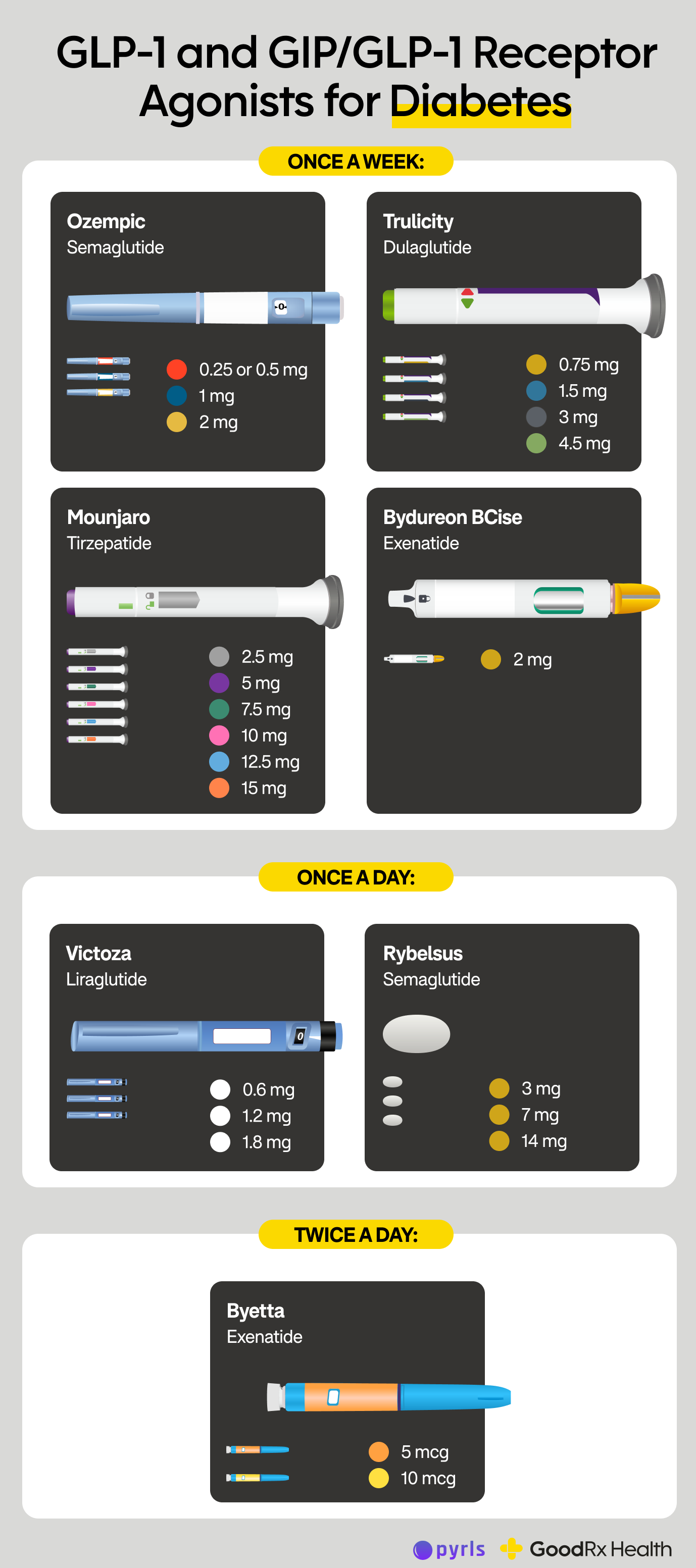
First, a quick refresher on what a GLP-1 receptor agonist is: one of the most popular GLP-1 receptor agonists is Ozempic, a semaglutide medication that's technically designed to help control blood sugar in people with type 2 diabetes


